
Wavegrasp
Passive detection and coarse localization of drones
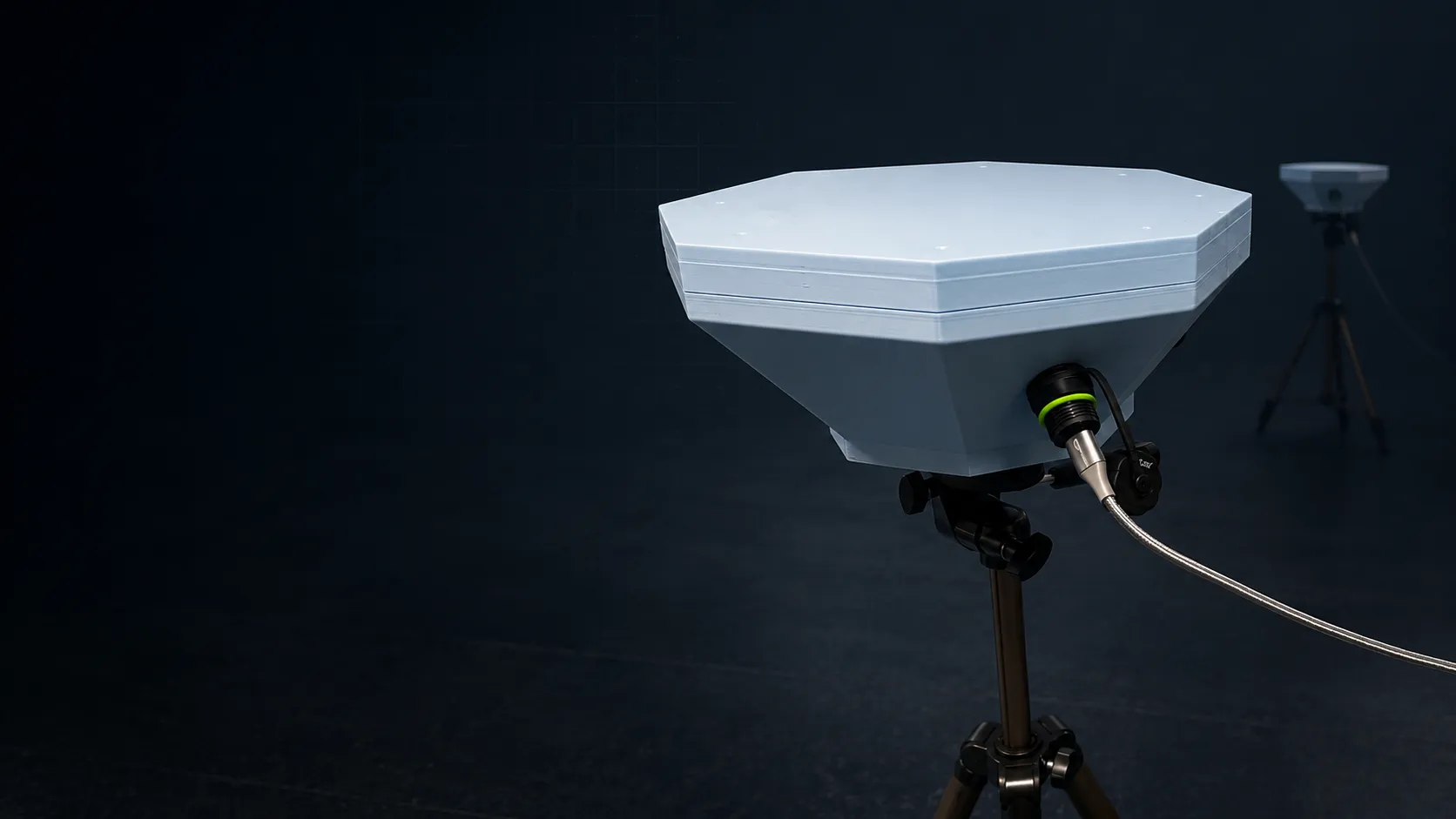
More and more drones fly without a radio link: on pre-programmed routes, or guided through a fibre-optic cable. Detection that waits for a radio signal does not see them. Wavegrasp listens for the aircraft itself, with a network of sensor nodes that detects low-altitude drones and locates them without sending out any signal of its own.
- Independent of the radio link. Rotor noise is there on every powered flight, whether the drone transmits or not.
- Passive. Wavegrasp sends out no signal, so it does not give away its own position.
- Located, not just detected. Several nodes together narrow a detection down to an area, so a camera or a response team knows where to look.
In active development We are open to pilot sites, integration partners, and partners for joint development or funding.
How it is built
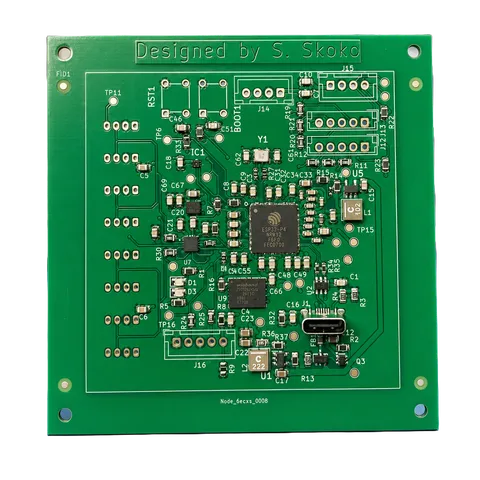
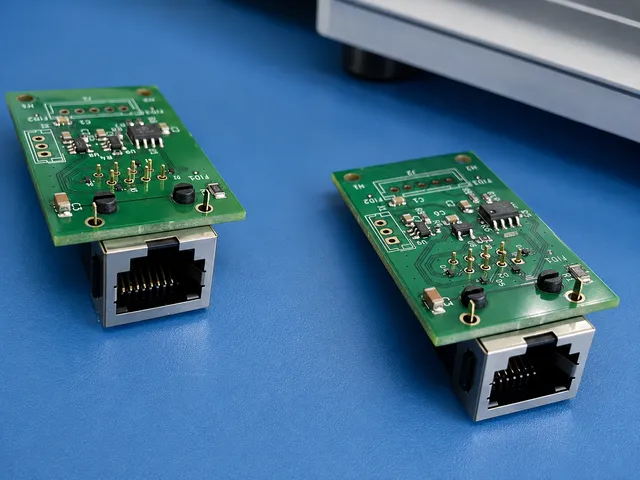
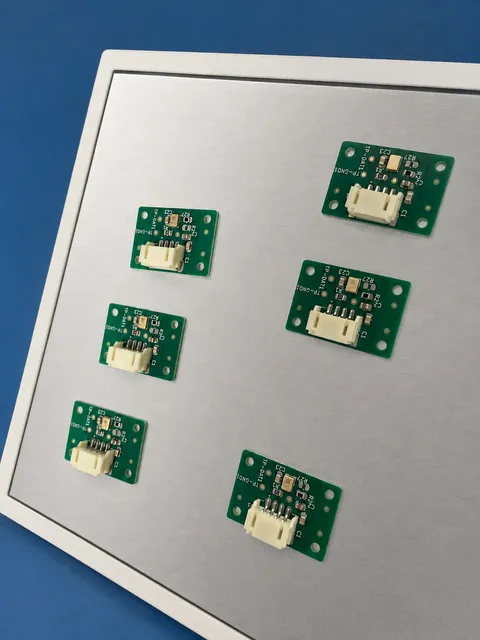
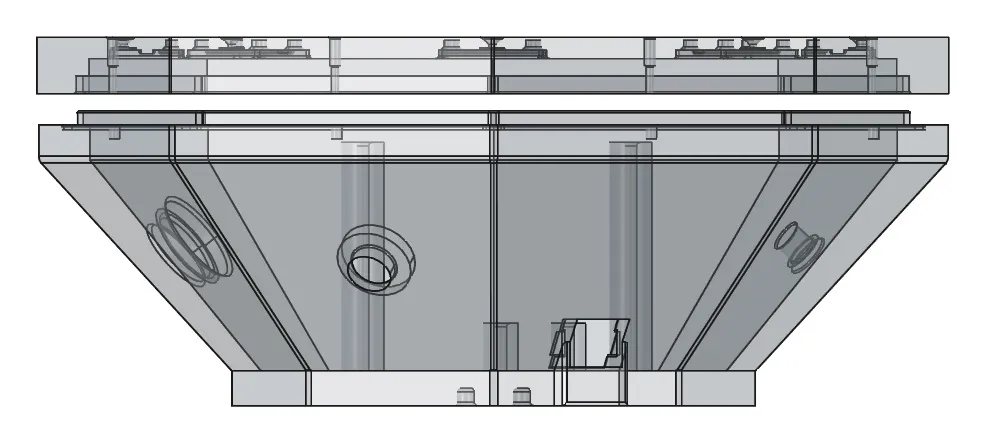
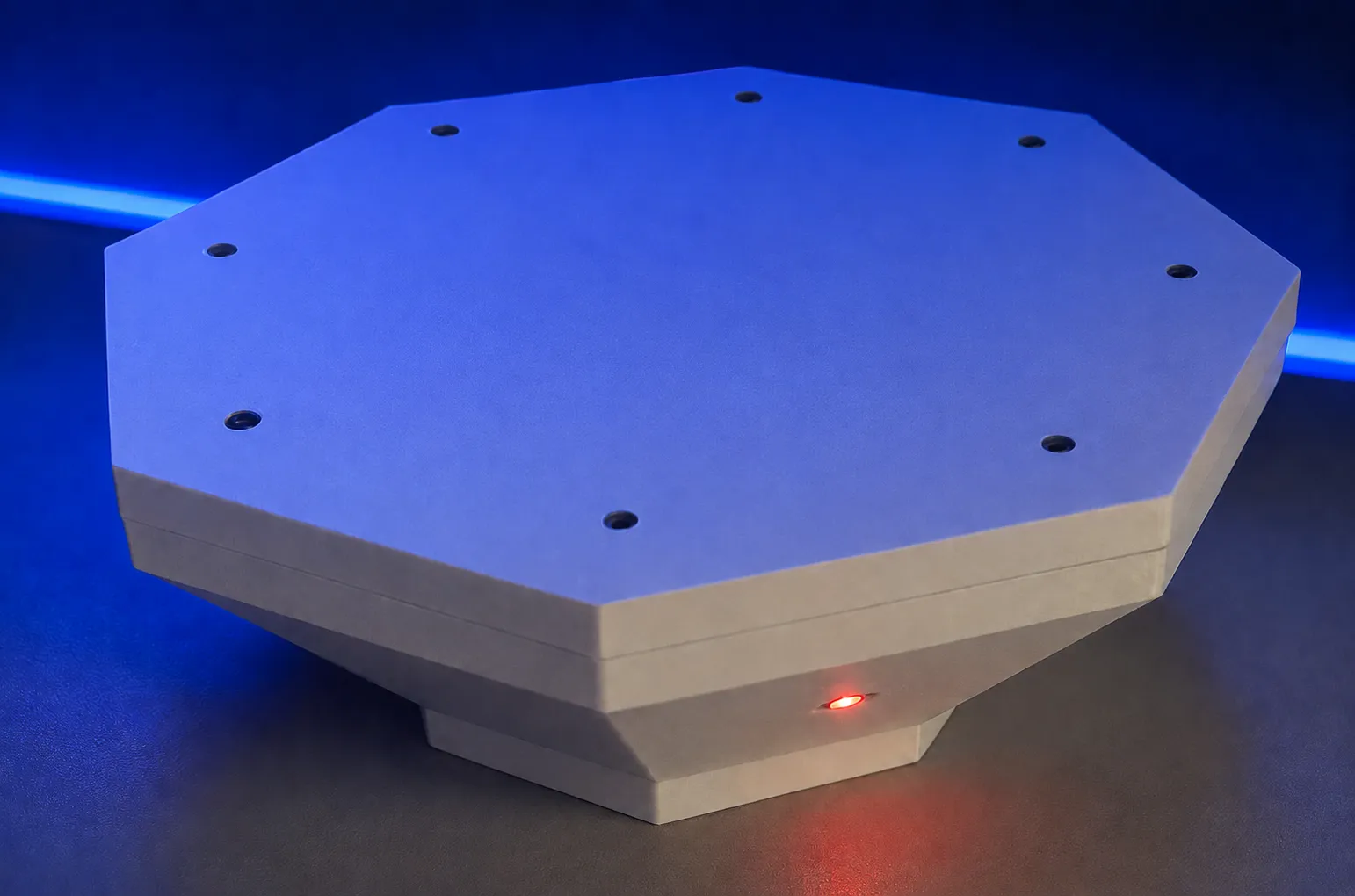
The circuit boards, the firmware, the signal processing and the enclosure were all designed and built in-house, and the signal path is integrated in the node rather than assembled from general-purpose acquisition modules.
The prototype has been measured against surveyed reference positions and against a drone tracked by RTK-GPS. The Wavegrasp page carries the method and the measured results.
What comes next
The next field campaign takes the prototype across distance, drone types, wind and background noise, and to a larger network of nodes around a site.
The next generation adds optical confirmation and ranging to the same network: the acoustic layer tells the system where to look, and the new sensors confirm what is there.