Software Engineering & Web Development
Two disciplines, kept apart on purpose. Web design and development, where the work has to be found, fast and easy to use. Software engineering, where it has to be correct, stay up and keep its data intact. We build our own sensing hardware end to end as well — which is why the software here is written to hold up outside a demo.
What we build
Four areas most projects land in — one on the web side, three on the engineering side.
Web design & development
Software engineering
02
Software Development
Custom applications and backends for work that does not fit an off-the-shelf tool.
- Web applications
- APIs and backend systems
- Systems integration
- Technical architecture
03
Workflow Automation
Systems connected and the weekly manual work removed — with the failure path designed first.
- Intake and routing
- Data moving between systems
- Reporting that runs itself
- AI where it earns its place
04
Firmware & Embedded Software
Firmware and device software for hardware that already exists, written by people who build their own boards.
- Firmware and drivers
- Real-time and embedded Linux
- Sensor integration
- Signal processing on the device
If your project sits between these — a data pipeline, an internal tool, an integration nobody wants to own, a system that needs rescuing — it is still worth a conversation. The work is chosen by whether we can do it well, not by whether it fits a service page.
How the two differ
Web development and software engineering are not the same trade. We do both, and it is worth being precise about which one a project needs.
| Web design & development | Software engineering | |
|---|---|---|
| What gets delivered | A site: structure, templates, content, and the front end around them. | A system: a data model, APIs, services, and the jobs running behind them. |
| What decides success | Whether it is found, how fast it loads, and whether a visitor does the thing. | Whether it is correct, stays up, and keeps its data intact. |
| The hard constraints | Crawlers, browsers, devices, bandwidth, and a performance budget measured in milliseconds. | Concurrency, state, partial failure, security, and every other system it has to talk to. |
| How it typically fails | A migration drops rankings the site spent years earning, and nobody notices for six weeks. | A race condition corrupts data quietly, and the backup already contains it. |
| Where the state lives | Mostly outside it: search indexes, content, caches, other people’s platforms. | Inside it, and it has to stay consistent. |
| What it is tested against | Real devices, Search Console, Core Web Vitals, and the crawler. | Test suites, load, deliberate failure injection, and telemetry from production. |
Plenty of projects stand in both columns. ChatLino is a site people visit and a backend that has to be right; the calculators are public web pages carrying real domain logic. That is the case for keeping both disciplines under one roof — not for pretending they are one discipline.
What carries across is the habit rather than the toolkit: design the failure case before the happy path, and test against reality instead of mocks. Which of the two a project actually needs is worth settling before anyone writes a quote, and it is the first thing we work out with you.
Proof — search growth
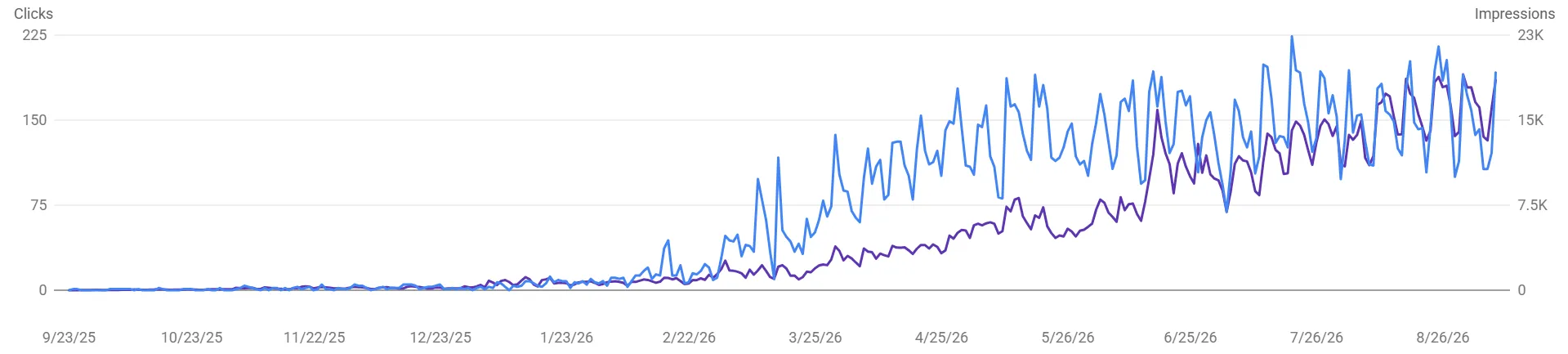
A new domain, from zero to page one in twelve months
The site started with no history, no links and no brand. For its first four months search engines barely showed it; from January, impressions and clicks climbed month after month — on a tool people come back to use, not an article they skim.
- Impressions in search
- 1.65M
- Clicks from search
- 24.8K
- Average position
- 6.8
- Visitors who use the tool
- 46.5%
Selected work
Live and in use — not mockups.
Technical tool · construction
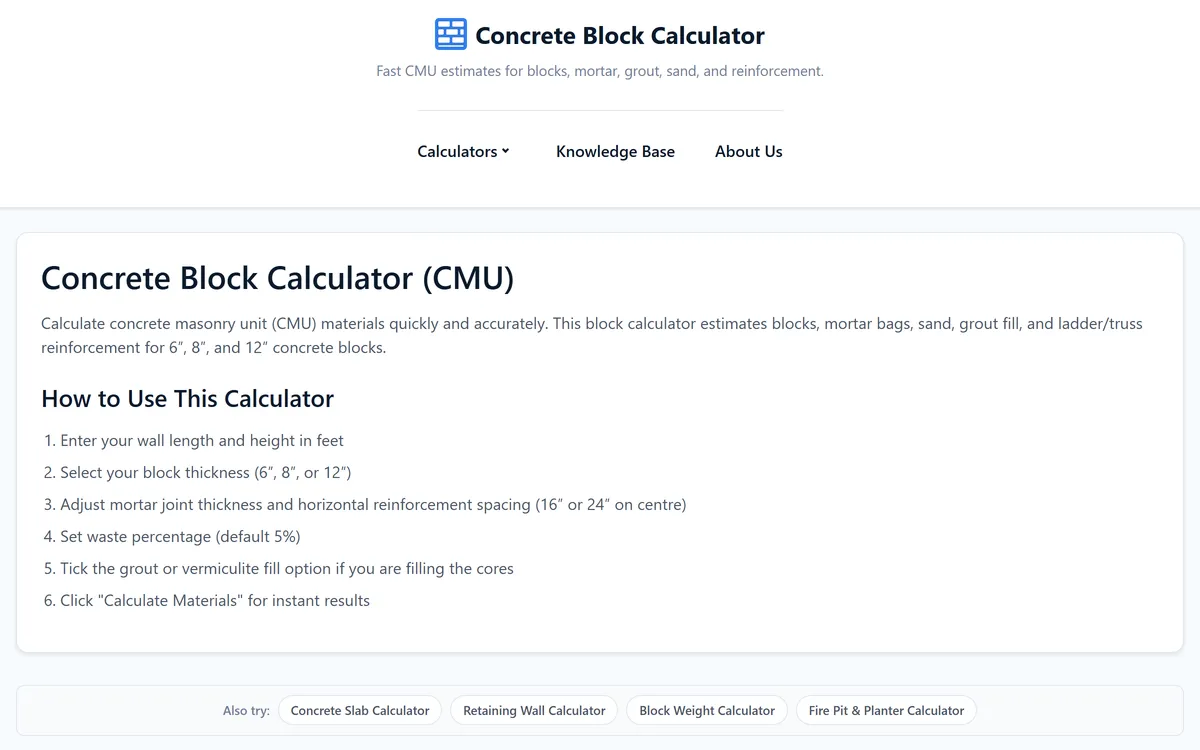
Concrete Block Calculator
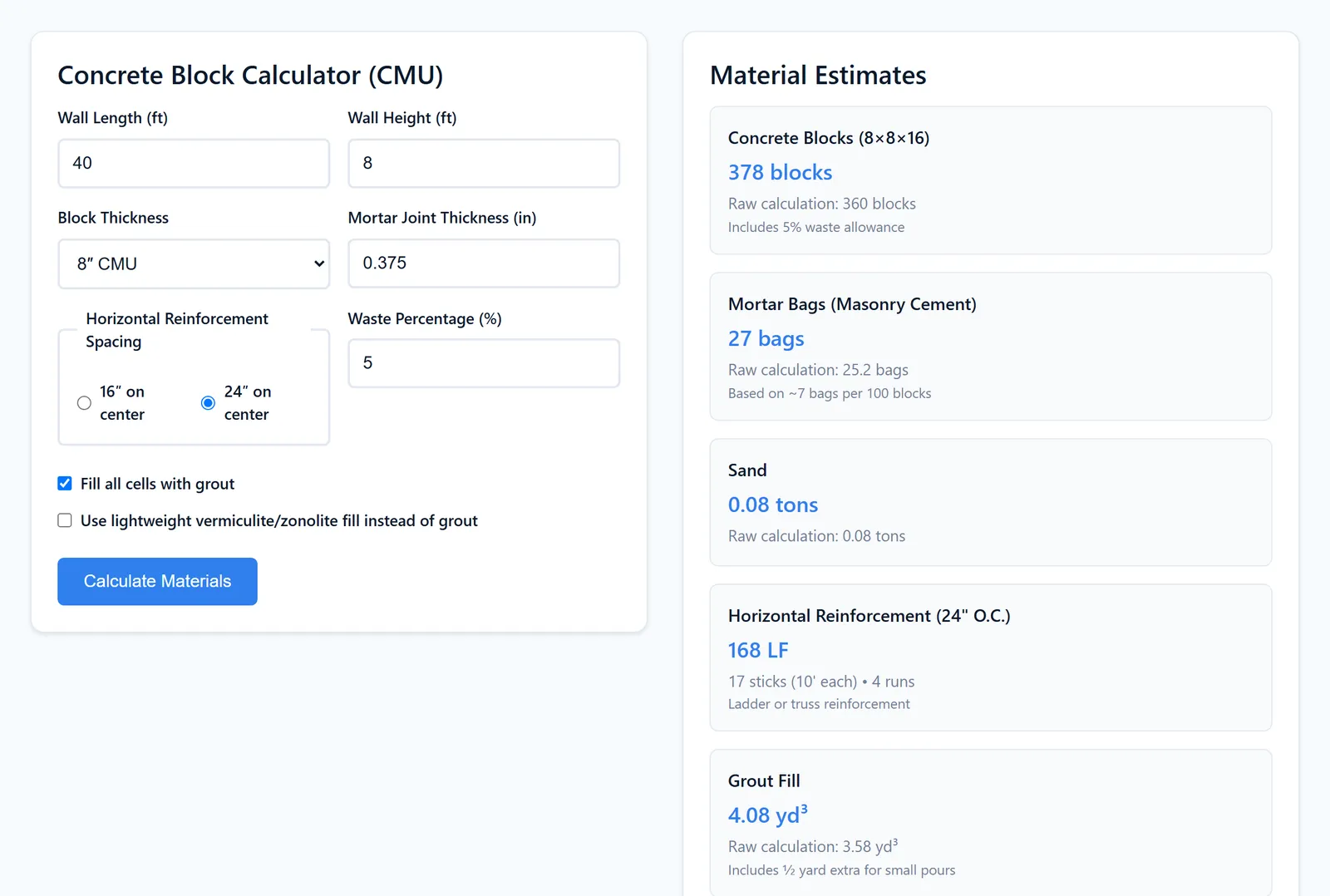
CMU wall estimator covering blocks, mortar, grout and reinforcement — one of a linked family of construction calculators built around search demand, and the site behind the growth above.
Technical tool · chemistry
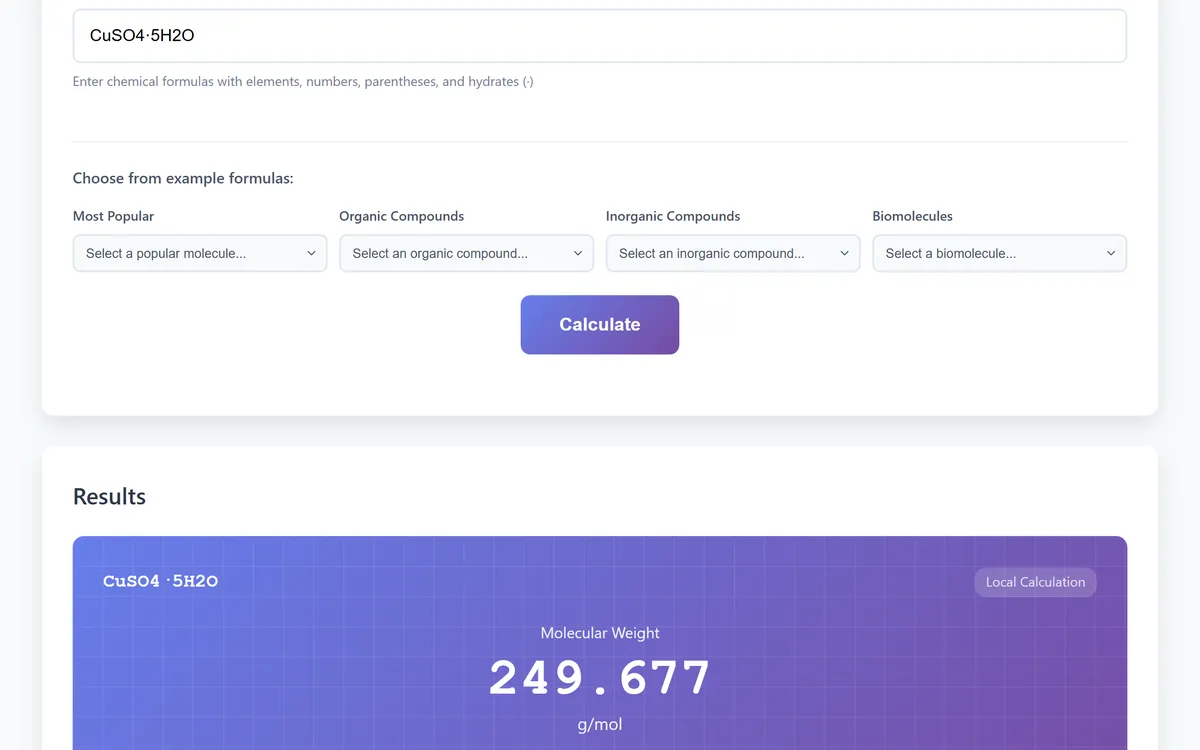
Molecular Weight Calculator
Molar mass for arbitrary chemical formulas — hydrates, parentheses, and dedicated protein/peptide, DNA/RNA and molarity modes, with the element breakdown shown.
SaaS platform · backend and front end
ChatLino
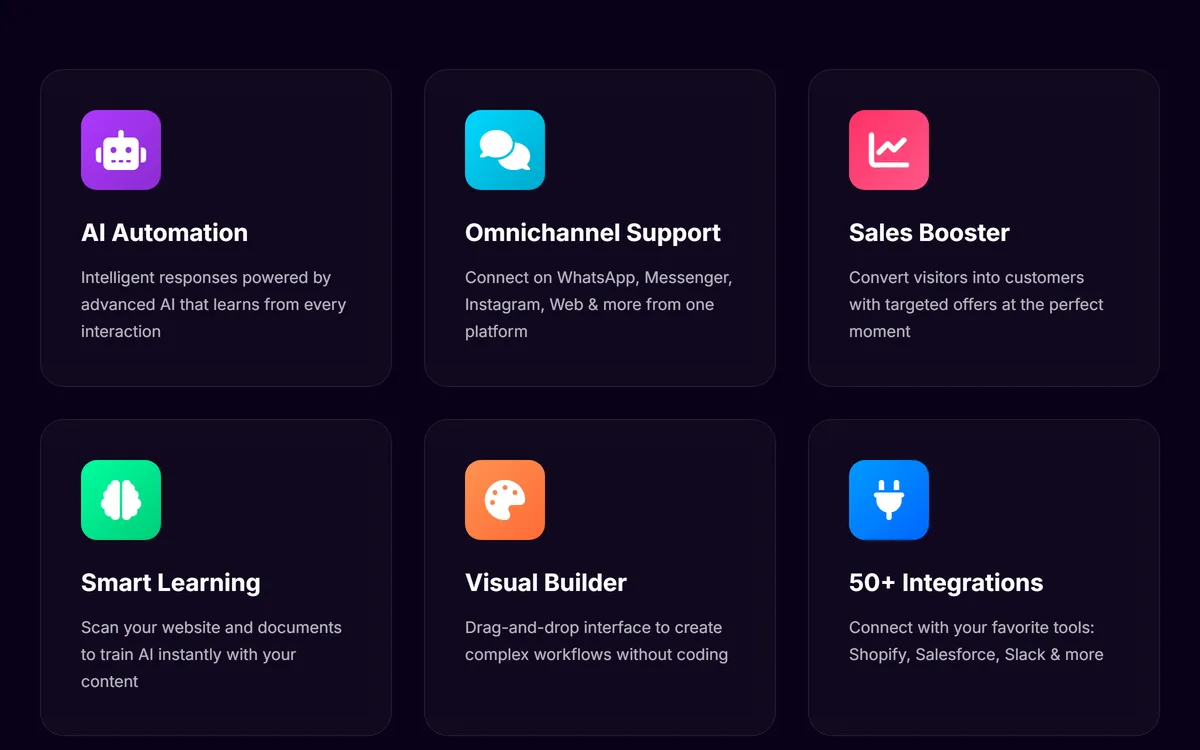
Multichannel customer-engagement platform: a visual workflow builder, AI automation, and an extensive backend that connects WhatsApp, Messenger, Instagram and web in one place.
Local service site
HVAC Fort Walton Beach
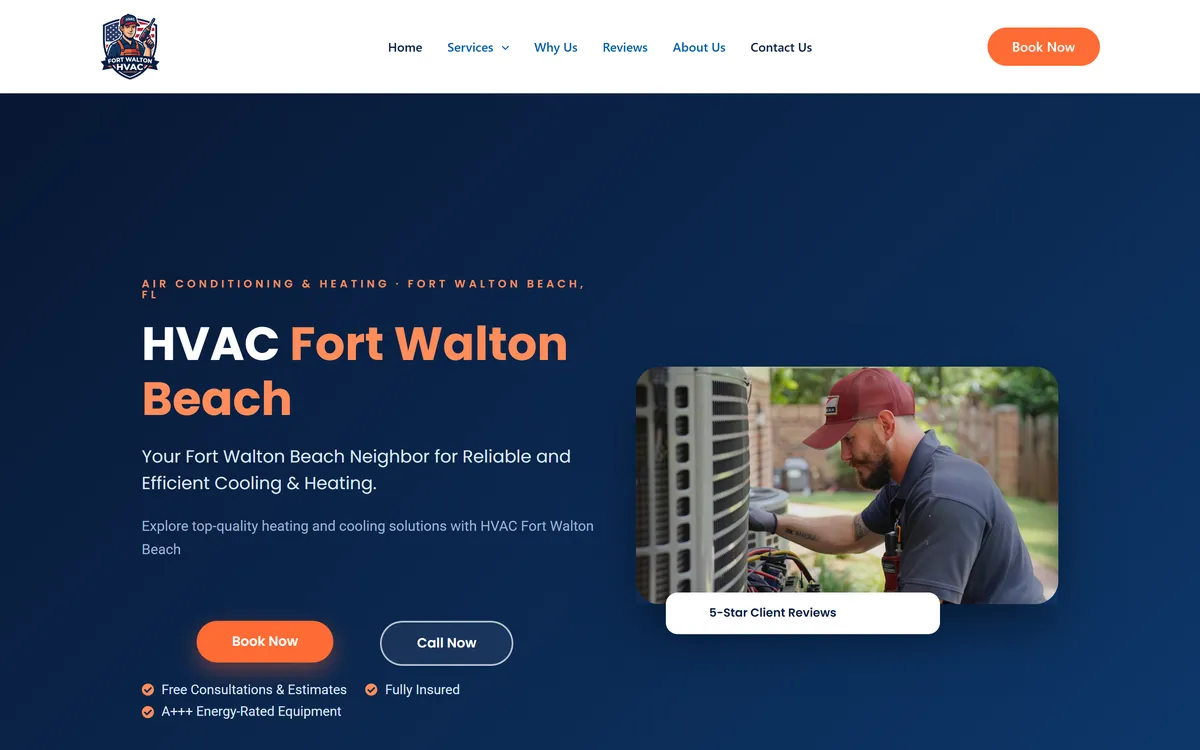
Service-business site built for local search and lead capture, from structure and copy through to the booking flow.
First organic result for “hvac fort walton beach” · Google, September 2026
Why Nodomic
Software that has to run on a device you can't reach teaches habits ordinary software never demands.
Our own work covers the whole stack. Wavegrasp runs from MEMS microphones and custom circuit boards through real-time firmware to signal processing on the device. ChatLino runs an extensive backend of APIs, workflows and integrations behind a multichannel product. The calculators put real domain logic in front of tens of thousands of calculations a month. That span is rare, and it is why the software here is written the way it is.
A device in a field cannot be patched on a Friday afternoon. Its clock drifts, its power is finite, its inputs are noisy, and its failures are physical rather than logged. Building for that means designing the failure case first, testing against reality instead of mocks, and being able to debug a system when the debugger is an oscilloscope. Those habits do not switch off when the project is a web platform: they show up as a migration that keeps rankings a site spent years earning, an automation whose error branch was drawn before its success branch, and a public calculator that still returns the right answer at the edge of its range.
Wavegrasp — device
SIGNAL
MEMS microphone, analog front end
FIRMWARE
real-time capture, on-device DSP
TRANSPORT
LVDS clock + data, multi-node sync
ChatLino · calculators — platform
BACKEND
APIs, workflows, integrations
INTERFACE
web front ends and tools people use
Our own system
Wavegrasp
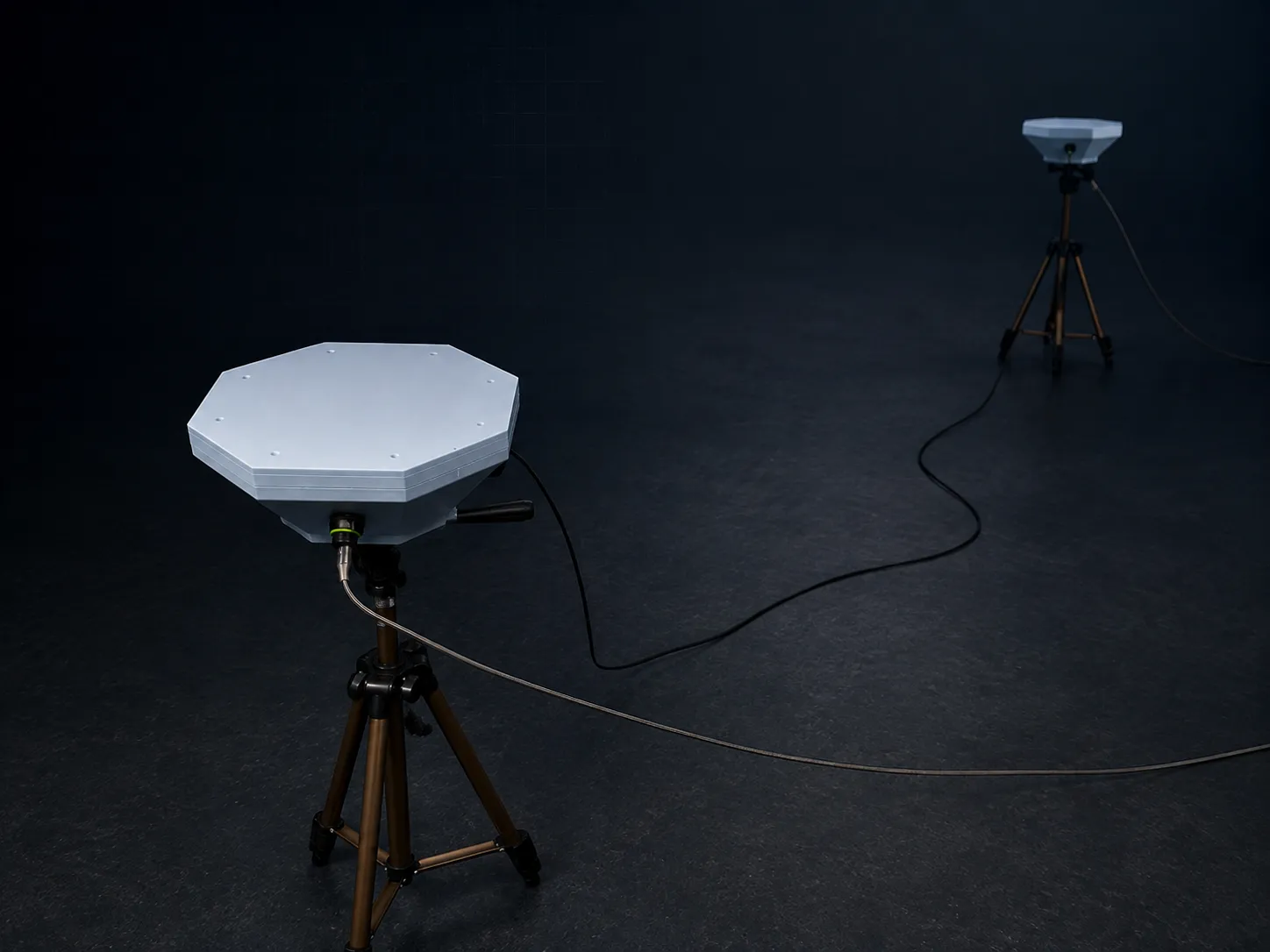
A network of acoustic sensing nodes that detects and localizes low-altitude drones without relying on the target's control, video or telemetry links. Each node listens on an eight-microphone array and computes direction locally, so what travels between nodes is a bearing rather than raw audio.
Explore WavegraspSo we take two kinds of work. Projects where software meets a physical device, where that experience is the reason to hire us. And ordinary software — backends, integrations, internal platforms, customer-facing products — where it simply means the work is done by engineers used to systems that have to hold.
How we work
Four ways to start, and no account layer between you and the people writing the code.
Team extension
We join your existing team and work in your stack, your repo, your process. Useful when you have direction but not enough hands.
Outsourcing →Project takeover
We inherit an existing codebase — usually one that outgrew whoever wrote it — document what is actually there, and take it forward.
Full build
From requirements to a running system, with the handover written as we go rather than assembled at the end.
MVP
A first version built to answer one question — software, and hardware where the idea depends on it.
MVP development →First step: a scoping session
A first conversation is technical, not a sales call. Bring the problem, the constraints, and whatever exists already — you get an honest read on scope, approach, and whether we are the right people for it.